About this book
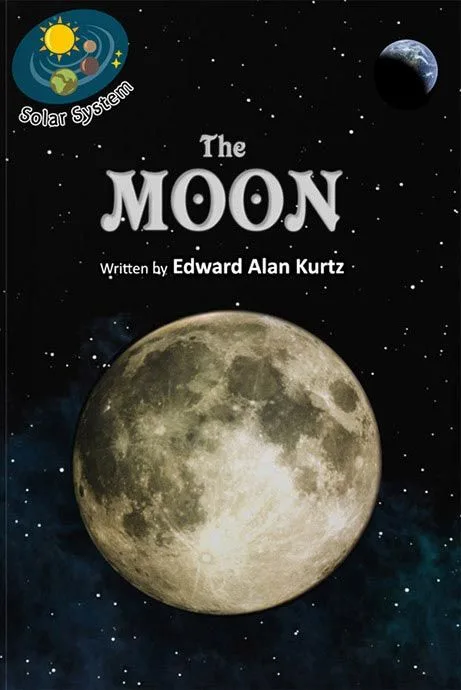
A book in the Solar System series about the Moon: how it was formed, its phases and orbit, and the effects of the Moon on the Earth. For the child who winds down with facts instead of fiction, it answers the questions curious minds ask: is there water on the Moon, and why does it change shape?
Book details
| Book type | Read Along Book – Narrated in a real human voice with word-by-word highlighting and static pictures. |
|---|---|
| Author | Edward Alan Kurtz |
| Ages | 7 to 9 years |
| Grade | Grade 2 |
| Reading level | Level 3, Intermediate Readers |
| Length | 14 pages, 1535 words, 13 minutes |
| Categories | Space and Astronomy, Science |
| Interactive features | What is This activity, Comprehension quiz |
| Language | English |
Where you can read this book
Reading and Math app: Read it here, plus What is This activity and Comprehension quiz in the Reading and Math app.
Get the Reading and Math AppRead Along App: Read along narration with word by word highlighting.
Get the Read Along AppQuizzes and activities live in the Reading and Math app only. They are not part of the Read Along App.
Why read The Moon with your child
Some children wind down with stories, and some wind down with facts. This book is for the second kind. It builds the Moon piece by piece: how it formed, why it has phases, why the tides rise, and what astronauts found there. Read a chapter a night and let your child ask questions as you go. The short chapters and clear words make big ideas easy to hold, and the fun facts give you something to talk about the next day. It is a calm, curious way to end the day.
Talk about it together
- Why do you think the Moon changes shape in the sky?
- What would you ask an astronaut about the Moon?
- Look at the Moon tonight. What shape is it?
Inside the book
The Moon has fascinated people for thousands of years. This book explains it piece by piece: how it was formed, what its surface is like, why it has phases, how it moves the tides, and what it has meant to people through history.
Children gain real science words and ideas, from satellite and orbit to eclipse and phases, plus fun facts to share. It is written for curious minds who like facts at bedtime.
From the book: “That's one small step for man, one giant leap for mankind.”
Words to learn in this book
- satellite: An object in the sky that orbits around the earth or another planet.
- orbits: The path of an object that circles a star or planet.
- atmosphere: The area of oxygen and other gases that surrounds the earth or other celestial objects.
- erosion: The gradual wearing away of land.
- continent: A large land mass, one of seven found on earth.
- astronomers: Someone who studies objects in the sky, like planets and stars.
- ellipse: An oval shape.
- lunar: Having to do with the moon.
- waxing: When the size of the moon looks like it is increasing.
- waning: When the size of the moon looks like it is decreasing.
- eclipse: An event that creates a shadow when one celestial body passes between another celestial body and the sun.
- celestial: Having to do with things in space or that are seen in the sky.
Books you may also like
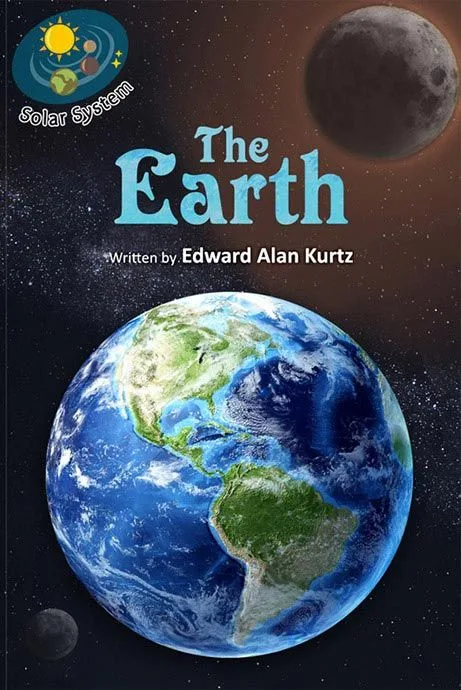 The EarthRead Along BookAges 7 to 9 years
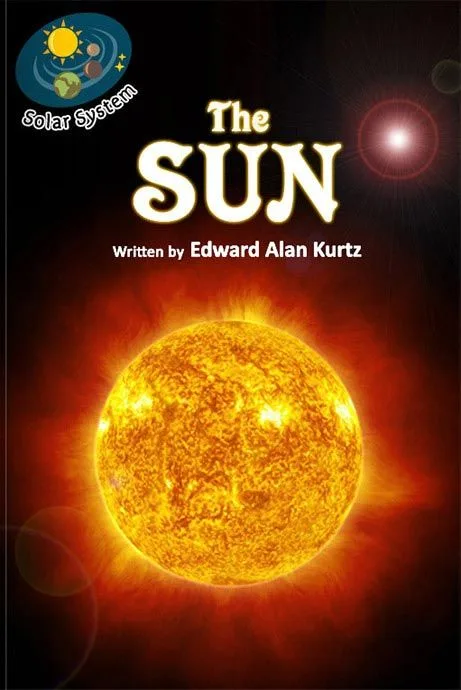 The SunRead Along BookAges 7 to 9 years
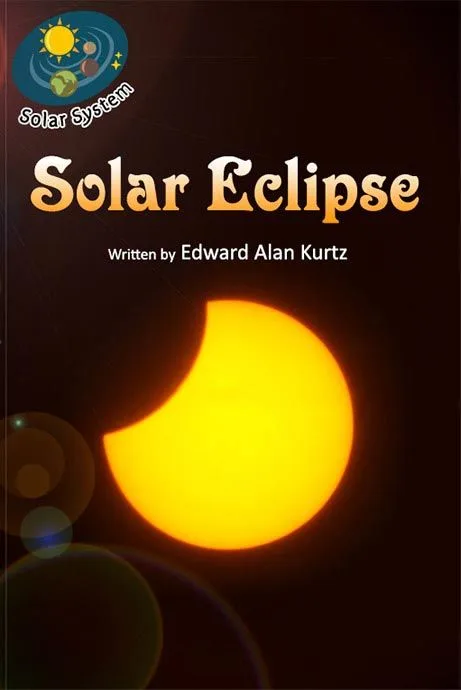 Solar EclipseRead Along BookAges 7 to 9 years
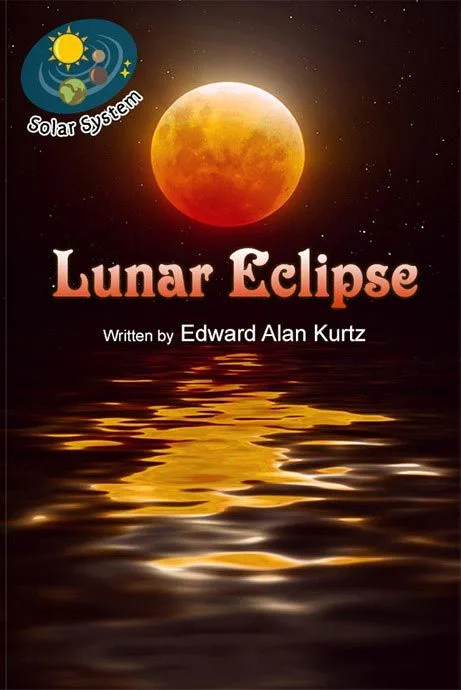 Lunar EclipseRead Along BookAges 7 to 9 years
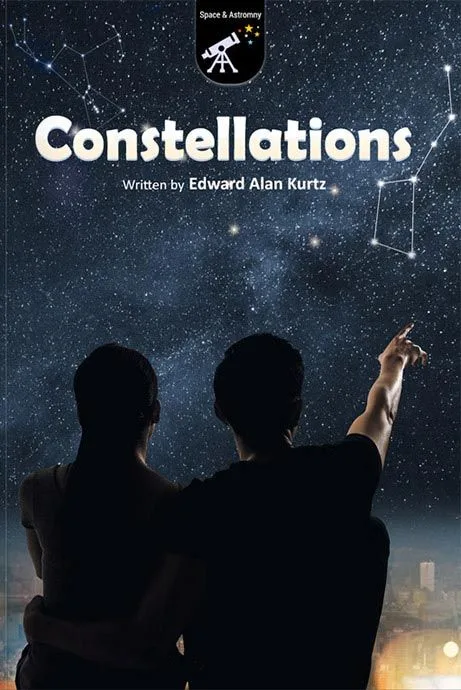 ConstellationsRead Along BookAges 7 to 9 years
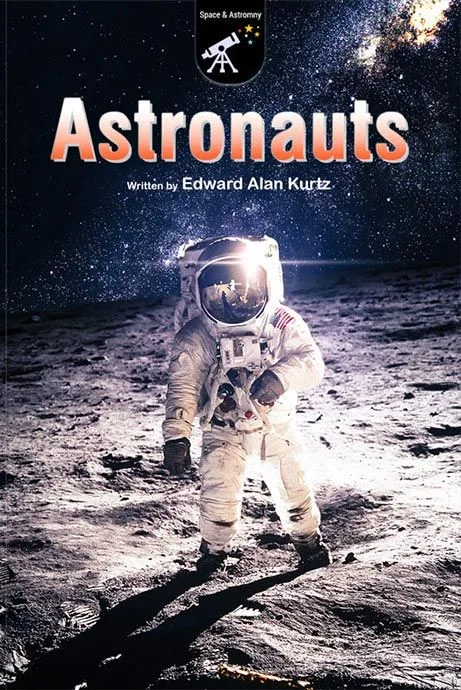 AstronautsRead Along BookAges 7 to 9 years
 AsteroidsRead Along BookAges 7 to 9 years
 The UniverseRead Along BookAges 7 to 9 years
Frequently asked questions
What ages is this book for?
It is written for ages 7 to 9.
Is this book narrated?
Yes. It is a read along book, so a real human voice reads the story while words are highlighted one by one on screen.
Which apps carry this book?
Both the Reading and Math app and the Read Along App. The What is This activity and the comprehension quiz are Reading and Math app features.
How long is the book?
14 pages, 1535 words, about 13 minutes of reading time.
Does this book explain the phases of the Moon?
Yes. It explains the phases of the Moon, from new moon to full moon and back again, and why the Moon looks different through the month.
Start reading today
Try Smart Kidz Club for FREE.