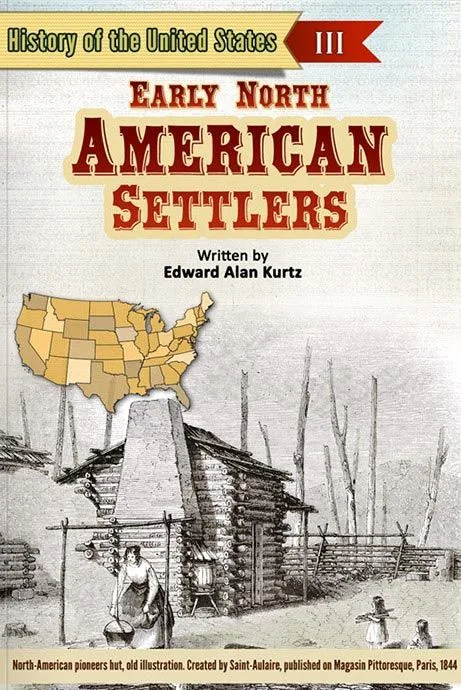
Early North American Settlers
Seven nations, one new world, and daily life in the settlements
About this book
Early North American Settlers tells who came to North America and why. After Christopher Columbus arrived in 1492, England, France, the Netherlands, Russia, Spain, and Sweden all set up colonies. Most people came looking for religious freedom, and some came hoping to grow rich. It shows life on farms, in towns, in seaports, and in the culture of the settlements.
Book details
| Book type | Read Along Book – Narrated in a real human voice with word-by-word highlighting and static pictures. |
|---|---|
| Author | Edward Alan Kurtz |
| Ages | 9 to 11 years, also 7 to 9 years |
| Grade | Grade 5 |
| Reading level | Level 4, Advanced Readers |
| Length | 15 pages, 1295 words, 10 minutes |
| Categories | History |
| Interactive features | Comprehension quiz, Fill In The Blanks activity |
| Language | English |
Where you can read this book
Reading and Math app: Read it here, plus Comprehension quiz and Fill In The Blanks activity in the Reading and Math app.
Get the Reading and Math AppRead Along App: Read along narration with word by word highlighting.
Get the Read Along AppQuizzes and activities live in the Reading and Math app only. They are not part of the Read Along App.
Why read Early North American Settlers with your child
Read this one like a map tour. Each chapter visits a different colonial power, so ask your child to point out each place and say what that country wanted. The book's own conclusion is worth discussing: although some people came to make money, most people moved because they were looking for religious freedom. Then talk about the hard daily life it describes, from chopping trees and planting fields to making clothes by hand.
Talk about it together
- What were the main reasons for people to move to the New World? Money from natural resources, and religious freedom for people not allowed to practice their religion at home.
- If you could visit one early settlement, which one would you choose, and why?
- What job would you want in a seaport town: shipbuilder, fisherman, baker, or shopkeeper?
Inside the book
This book is about the people who crossed an ocean to start a new life in North America, and why they came. Some came hoping to make money from a new land. Most came because they could not practice their religion at home. Life in the early settlements was hard, from clearing land to building towns.
Children gain a map-level picture of how different countries shaped different parts of the continent, and why some settlements failed while others survived. It is a good first history read for a child who keeps asking why people move. One mystery in these pages still has no answer, and it is worth discussing together.
From the book: “Although some people settled in the New World to try to make money, most people moved because they were looking for religious freedom.”
Words to learn in this book
- Colony: A group of people living together in a foreign land.
- Explorer: Someone who travels to unknown places.
- Indigenous: Native, or originating in a particular region.
- Livestock: Animals like cows and pigs that live on a farm.
- Merchant: Someone who sells and trades goods and merchandise.
- Mission: A building used by religious groups to teach their religion to other people.
- Missionary: A person who goes to another country to teach people about his or her religion.
- New World: The continents of North and South America as described by early European explorers.
- Seamstress: A woman who sews, and sometimes makes money by sewing for other people.
- Starvation: Suffering or dying from lack of food.
- Utensil: A tool or piece of equipment for household use.
Books you may also like
 An Introduction to the History of the United States of AmericaRead Along BookAges 9 to 11 years, also 7 to 9 years
 Early Native AmericansRead Along BookAges 9 to 11 years, also 7 to 9 years
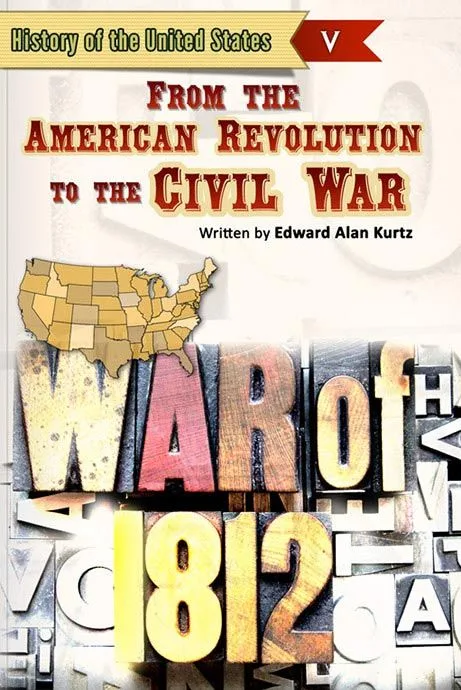 From the American Revolution to the Civil WarRead Along BookAges 9 to 11 years, also 7 to 9 years
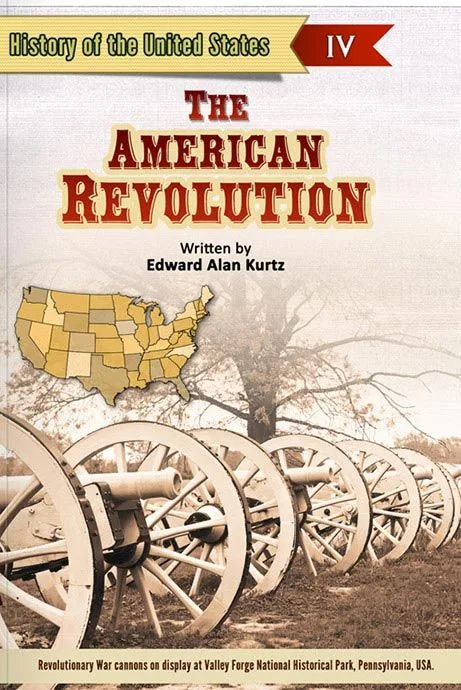 The American RevolutionRead Along BookAges 9 to 11 years, also 7 to 9 years
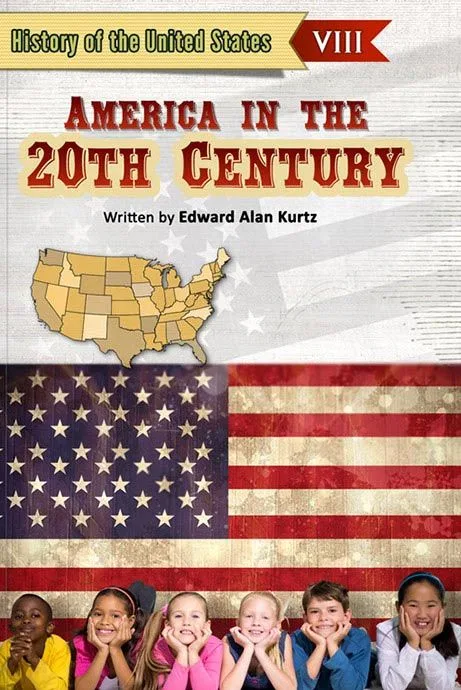 America in the 20th CenturyRead Along BookAges 9 to 11 years, also 7 to 9 years
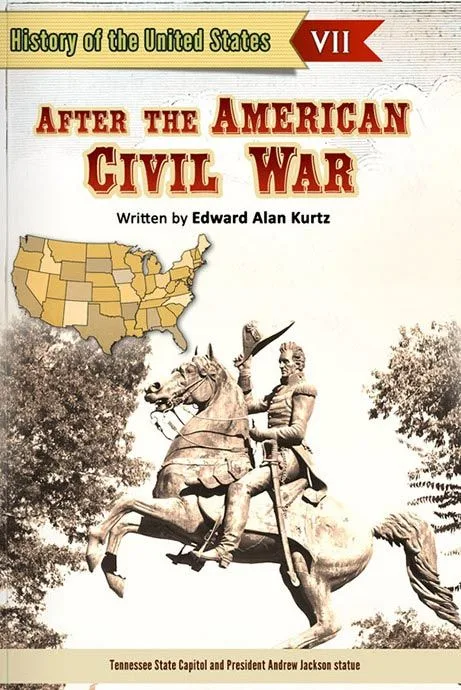 After the American Civil WarRead Along BookAges 9 to 11 years, also 7 to 9 years
 Famous Americans: George WashingtonRead Along BookAges 9 to 11 years, also 7 to 9 years
 Famous Americans: Benjamin FranklinRead Along BookAges 9 to 11 years, also 7 to 9 years
Frequently asked questions
What ages is this book for?
Ages 7 to 11 years, at Grade 5 and Level 4 for advanced readers.
Is the book narrated?
Yes. It is a read along book, so a real human voice reads the story while words are highlighted one by one on screen.
Which apps carry this book?
Both the Reading and Math app and the Read Along App. The comprehension quiz and the Fill In The Blanks activity are Reading and Math app features.
How long is the book?
Fifteen pages, 1295 words, about 10 minutes of reading time.
Does it cover Thanksgiving?
Yes, in its closing facts. The first Thanksgiving meal included deer, roasted meat, corn, shellfish, and cranberries, and the Pilgrims also played ball games and sang.
Start reading today
Try Smart Kidz Club for FREE.