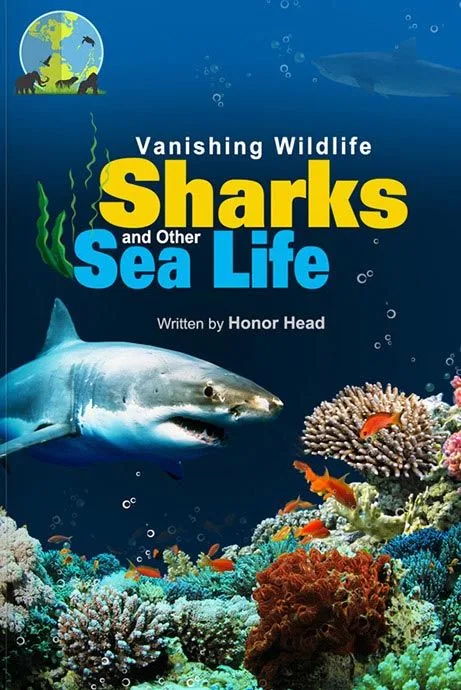
Sharks and Other Sea Life
This book looks at sharks, coral, and other sea life that is under threat of extinction
About this book
Sharks and Other Sea Life is an advanced readers book for children ages 9 to 11. This book looks at sharks, coral, and other sea life that is under threat of extinction. A natural human voice tells the story, with pictures to follow along.
Book details
| Book type | Audio Book – Narrated in a natural human voice, without word highlighting. For children who already know how to read and do not need to track each word. |
|---|---|
| Author | Honor Head |
| Ages | 9 to 11 years |
| Grade | Grade 5 |
| Reading level | Level 4, Advanced Readers |
| Length | 13 pages, 2750 words, 27 minutes |
| Categories | Animals, Science |
| Interactive features | Comprehension quiz, Match the Following activity |
| Language | English |
Where you can read this book
Reading and Math app: Read it here, plus Comprehension quiz, Match the Following activity in the Reading and Math app.
Get the Reading and Math AppRead Along App: Listen with a natural human voice, no word highlighting.
Get the Read Along AppQuizzes and activities live in the Reading and Math app only. They are not part of the Read Along App.
Why read Sharks and Other Sea Life with your child
Sharks and Other Sea Life opens up Animals for young readers. The facts are short and clear, and the pictures help the ideas land. Read a page together, then ask your child what surprised them. Talking about what you read is how new knowledge sticks. It is a good book for curious children who like to ask questions and find out how things work.
Talk about it together
- What did you learn about Animals?
- Who would you tell about this book, and why?
- What would you do if you were in this story?
Inside the book
In Sharks and Other Sea Life, readers find Animals. This book looks at sharks, coral, and other sea life that is under threat of extinction. The book is written for young readers, with clear words and pictures that help the story along.
Children gain a feel for Animals and new words to talk about it. Read it together, pause at the interesting parts, and ask your child what they think. It is a good book to share, and to come back to again.
From the book: “As well as the fish that are being caught for food, other animals, such as sharks, dolphins, and turtles, are often trapped in the huge fishing nets and die slowly.”
Words to learn in this book
- pollution: When the seas become filled with anything that can harm the animals that live in it. Pollutants include chemicals, oil, garbage, and sewage.
- overfishing: When local or commercial fishermen do not leave enough fish in the water to breed, so that the amount of fish being caught is not being replaced by new fish.
- toxic chemicals: Chemicals that can kill sea life. Toxic chemicals from fertilizers and pesticides used on farms run into marine and coastal areas causing dead zones. Dumping industrial and nuclear waste into oceans has been banned but is still done illegally.
- food chains: The chain of organisms that need each other for survival. For example, fish are eaten by seals and seals are eaten by sharks.
- global warming: The increase in the Earth’s temperature caused by deforestation, intensive farming, and burning of fossil fuels, such as oil and coal.
- Red List: A list compiled by the IUCN (International Union for the Conservation of Nature), that uses scientific data to record the endangered state of animals in the wild. It is updated every 5 to 10 years.
- extinction: When a type of animal is dying out (becoming extinct) so that there are no more living on Earth. Many animals are becoming extinct in the wild but can be seen in zoos.
- habitats: The place where an animal lives, such as a rain forest or the ocean.
- bony fish: Fish that have a skeleton made of bones rather than cartilage. Most fish are bony fish. Manta rays and sharks have a cartilage rather than a bony skeleton.
- polyps: The individual parts of a coral. Each polyp consists of an invertebrate animal that has a round body with a ring of tentacles around the mouth.
- zooxanthellae: Tiny algae that live in coral and provide it with food.
- carbon dioxide: A gas in the air that traps heat. The build up of carbon dioxide in the atmosphere is increased by burning forests and fossil fuels such as coal.
- algae: The simplest forms of plant life, found in water or damp places, usually green in color.
- Silt: A type of sediment consisting of very fine pieces, smaller than sand.
- predators: An animal that hunts and kills another animal for food.
- mollusks: Animals with no backbone and a soft body that has some sort of shell to protect it, such as snails, slugs, mussels, squid, or octopus.
- plankton: Tiny organisms, such as plants and animals, that live just under or on the surface of water and that are eaten by larger animals, such as fish and whales.
- prey: An animal that is hunted and killed as food by another animal.
- breed: When males and females create young.
- drift nets: A large fishing net, sometimes stretching for hundreds of miles (kilometers) that floats from the top of the ocean downward and is carried along by the tide.
- long lines: This is a type of fishing where many short lines with hooks to catch fish are attached to a much longer line that can stretch up to 100 miles (150 kilometers). The long line can have thousands of short lines with hooks. Long-line fishing can accidentally catch and kill turtles, seabirds, and sharks.
- serrated: A sharp, jagged edge.
- crustaceans: Animals that live in the seas that have a hard external skeleton, such as shrimps, crabs, lobster, and crayfish.
- tropical: Places that have warm or hot temperatures all year round.
- cartilage: Tough, but flexible tissue found in the body. Cartilaginous fish, such as sharks, have a skeleton made of cartilage.
- game fishermen: People who enjoy catching large fish at sea as a sport.
- echinoderms: Animals that live in the sea that do not have a backbone and move on tube-like feet. Echinoderms include starfish and sea urchins.
- filter feeders: Animals that live in the water that have a sieve-like mouth-part that can separate solid pieces of food from the water, such as the humpback whale.
- kelp: A type of brown seaweed. Kelp forests are large areas of thick seaweed under the water.
- ovoviviparous: Female animals that keep their eggs inside their body, where the eggs hatch and the mother gives birth to live young. Some fish, amphibians, and reptiles reproduce in this way.
- sewage: Liquid and solid waste produced by humans.
Books you may also like
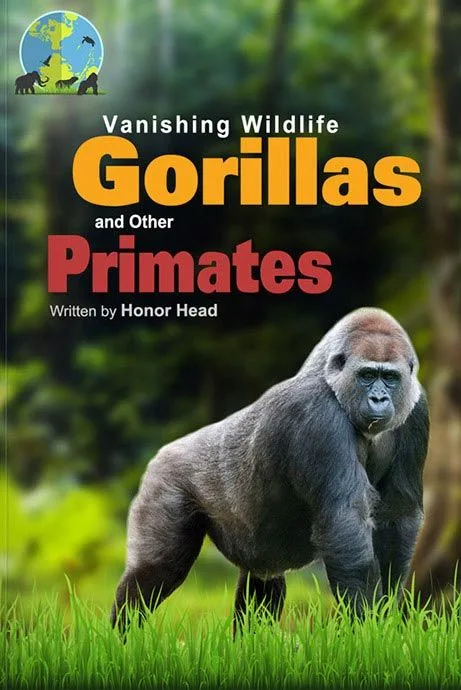 Gorillas and Other PrimatesAudio BookAges 9 to 11 years
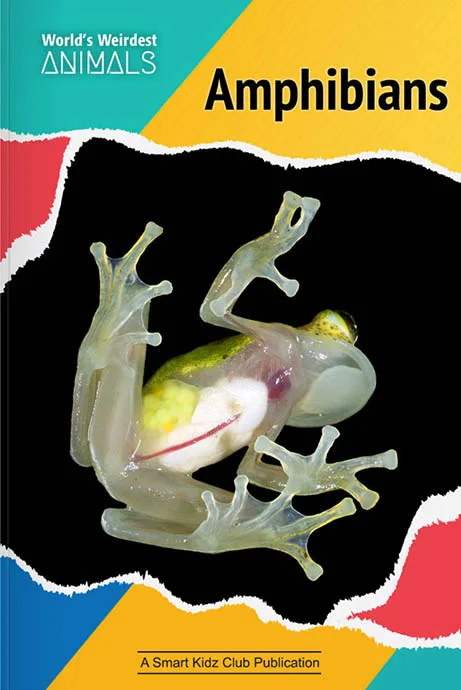 AmphibiansRead Along BookAges 7 to 9 years, also 9 to 11 years
 CrabsRead Along BookAges 7 to 9 years, also 9 to 11 years
 BirdsRead Along BookAges 7 to 9 years, also 9 to 11 years
 InsectsRead Along BookAges 7 to 9 years, also 9 to 11 years
 MammalsRead Along BookAges 7 to 9 years, also 9 to 11 years
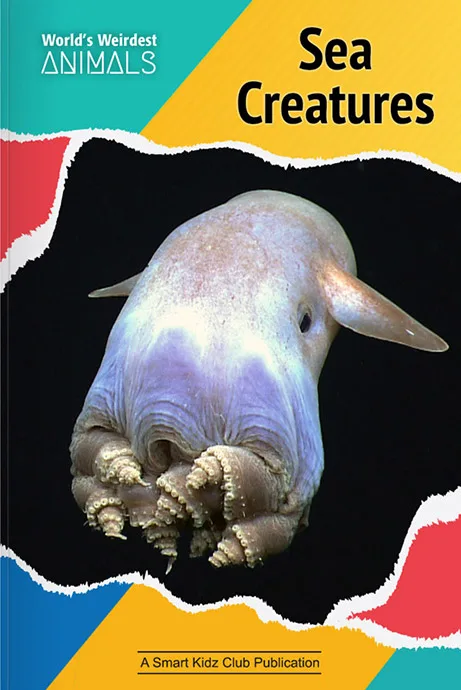 Sea CreaturesRead Along BookAges 7 to 9 years, also 9 to 11 years
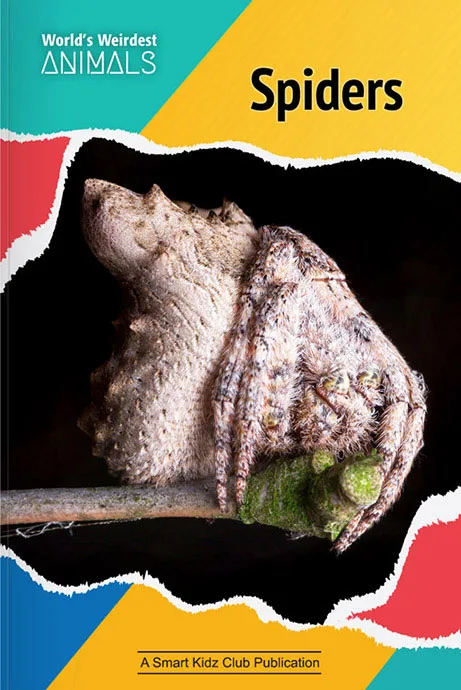 SpidersRead Along BookAges 7 to 9 years, also 9 to 11 years
Frequently asked questions
What ages is this book for?
Ages 9 to 11 years, at Grade 5 and Level 4 (Advanced Readers).
Is the book narrated?
Yes. It is an audio book, so a natural human voice tells the story. There is no word highlighting.
Which apps carry this book?
Both the Reading and Math app and the Read Along App. The Comprehension quiz, Match the Following activity are Reading and Math app features.
How long is the book?
13 pages, 2750 words, 27 minutes
Does this book have a quiz or activity?
Yes. It has a comprehension quiz and the Match the Following activity. Quizzes and activities live in the Reading and Math app.
Start reading today
Try Smart Kidz Club for FREE.